
- No referral needed
4.9403 Google Reviews
Rated 4.9 out of 5 from 403 Google reviews.- 65,000+ people seen here
Chiropractic
Chiropractor Brunswick, personalised spine and joint care
Experiencing back pain, neck stiffness, headaches, sciatica or a sports injury? The experienced chiropractors here give you a clear assessment and targeted treatment on your first visit. No referral needed.
- In Melbourne since 1990
- AHPRA-registered chiropractors
- Claim on the spot
- Open six days
Your first appointment
30 min
A full assessment, and in most cases treatment on the day
- History, before hands
- Physical and postural assessment
- Your findings, explained clearly
- Treatment, in most cases on the day
- What to do between now and next time
- A plan, and the milestones to measure it by
Where does it hurt?
Whether you have been dealing with pain for days, months or years, the experienced chiropractors here can help you understand what is causing your symptoms and what options are available. From back pain and neck pain to headaches, sciatica and sports injuries, care is personalised and designed to reduce pain, restore movement and help you get back to doing the things you love.
- Back pain
- Neck pain
- Sciatica
- Disc-related pain
- Headaches
- Migraines
- Shoulder pain
- Joint pain
- Sports injuries
- Postural concerns
- Musculoskeletal pain
- Chronic pain
Show 15 more problems seen here
- Mid-back and rib pain
- Hip and pelvic pain
- Pregnancy-related back and pelvic pain
- Jaw and TMJ pain
- Whiplash
- Arthritis and joint stiffness
- Scoliosis
- Osteoporosis and bone health
- Tennis and golfer’s elbow
- Runner’s knee
- Shin pain
- Hamstring strains and cramping
- Achilles and calf pain
- Plantar fasciitis and heel pain
- Recovery after surgery or immobilisation
Even if you are not sure what is causing your pain, the first appointment is a thorough assessment to work out what the problem is and explain your options, including the cases where the answer is someone other than a chiropractor.
Or call (03) 9380 8099 and reception will find you the earliest time.
Would you rather we called you?
Booking online takes under a minute. But if you would rather talk it through before you commit to a time, leave your details and the clinic will ring you.
We’ll contact you within 10 minutes during business hours to arrange the earliest suitable appointment.
Contact us after hours? We’ll call you first thing the next business morning.
Prefer to speak to someone now? Call (03) 9380 8099
Not sure whether chiropractic care is right for you?
That is exactly what your first appointment is for.
Your chiropractor takes the time to understand what you are experiencing, assesses the relevant areas and explains the findings clearly. If they think chiropractic care is appropriate, they will explain the options and recommend the most suitable next step. If they think something else would serve you better, they will say so and point you at it.
No pressure. No one-size-fits-all treatment plan. Just a proper assessment and clear recommendations.
Book a first appointment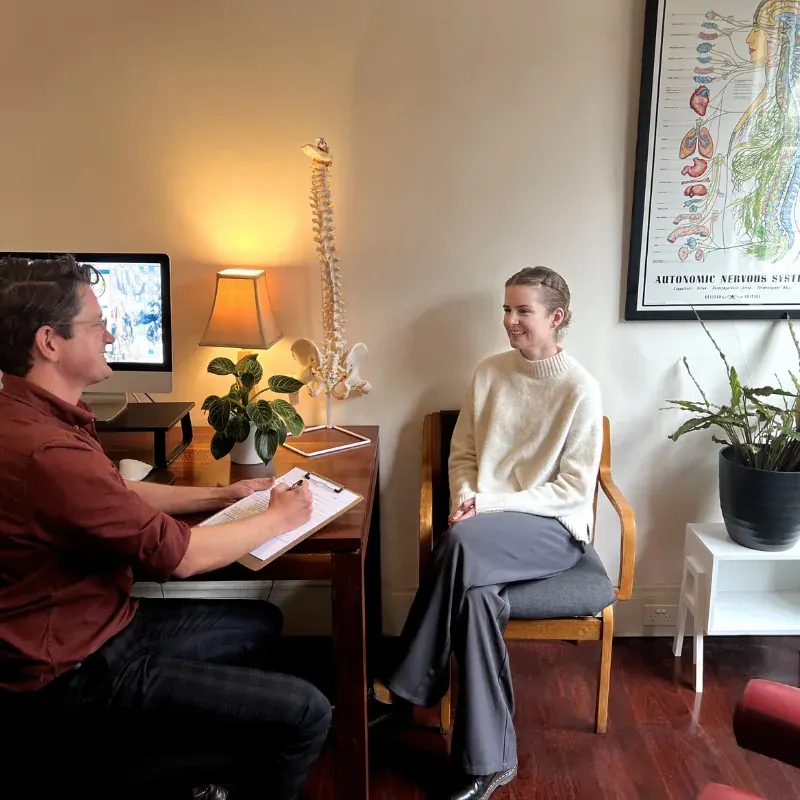
Why choose Brunswick Health for chiropractic care?
Integrated multidisciplinary care
Chiropractors, physiotherapists, podiatrists, massage therapists and acupuncturists all work under one roof, so being pointed at a different profession does not mean an outside referral or a new waiting list.
Unhurried consultations
You are told what was found and why a particular treatment is being recommended, in plain language you can act on the same day.
Techniques matched to the problem
Manual care, shockwave therapy and dry needling are each chosen because your assessment pointed at them, so the treatment you get is the one your problem calls for.
On-the-spot health fund rebates
Swipe your private health card through HICAPS at reception and pay only the gap on the day, instead of claiming it back yourself.
Same-day appointments are often available
Book online in under a minute, or ring the clinic and reception will find you the earliest time.
Open six days a week
Monday to Saturday, including weekday evening appointments, so you can book around work and training.
- Treating in Melbourne since
- 1990
- People through the practice
- 65,000+
Your chiropractors
All three are AHPRA-registered and RMIT-trained, and each has been in practice for at least fifteen years.

Dr Kenneth Taylor
Senior Consultant Chiropractor
Registered since 2009, 17 years in practice
AHPRA CHI0000988624
Dr Hamilton Mack
Senior Consultant Chiropractor
Registered since 2010, 16 years in practice
AHPRA CHI0001594711
Dr Beau Billett
Senior Consultant Chiropractor
Registered since 2011, 15 years in practice
AHPRA CHI0001668642
Don't just take our word for it
Check the practitioners' credentials before you book.
Every chiropractor at Brunswick Health is registered with the Chiropractic Board of Australia, and you can click through to the AHPRA public register from each practitioner's profile to verify their registration.
Your first appointment
About 30 minutes, and it runs in the same order every time. Everything is explained to you as it happens.
Or call (03) 9380 8099 and reception will find you the earliest time.
Follow-up visits are guided by how you respond. If you would rather ask something first, send the question through , answered within one business day.
History, before hands
What hurts, when it started, what makes it worse, what you have already tried, what your general health is like, and what you want to get back to doing. The screening questions sit here too, the ones that establish exactly what kind of problem this is before a hand is laid on it.
Physical and postural assessment
Movement testing, joint-by-joint assessment, and, where your symptoms warrant it, neurological testing of reflexes, sensation and strength. Testing is what separates a back problem from a nerve problem, and they are not treated the same way.
Your findings, explained clearly
What is going on, what is causing it, and what it will take to settle. Each of the chiropractors here has been in practice at least fifteen years and sees these problems every week, so you get a straight answer. You leave knowing what the problem is, why you have it and what happens next, and questions are welcome at every step.
Treatment, in most cases on the day
Where the picture is clear, hands-on treatment starts at this visit. Where imaging would settle something first, you are still treated with what is safe before results are known, soft tissue work, gentle mobilisation, taping or support, and specific advice on positioning, sleeping and pain control.
What to do between now and next time
Two or three specific things, chosen from what your assessment showed and quick enough to keep doing. Movements plus the load changes that keep the problem settled, how long you sit before standing, how you lift, how you sleep.
A plan, and the milestones to measure it by
An expected number of visits and a rough timeframe, with the milestones to expect and when. Your progress is reviewed at each visit and the plan follows it, so you can see it working and you stay in control of it throughout.
What treatment involves
Chiropractic is a hands-on approach to assessing and managing problems with the spine, joints, muscles and nervous system. The aim is practical: less pain, better movement, and getting back to what you were doing before.
Treatment is built around your assessment rather than a set protocol. Chiropractors in Australia are university-trained and registered with AHPRA, and you can book without a referral.
 Chiropractic adjustment
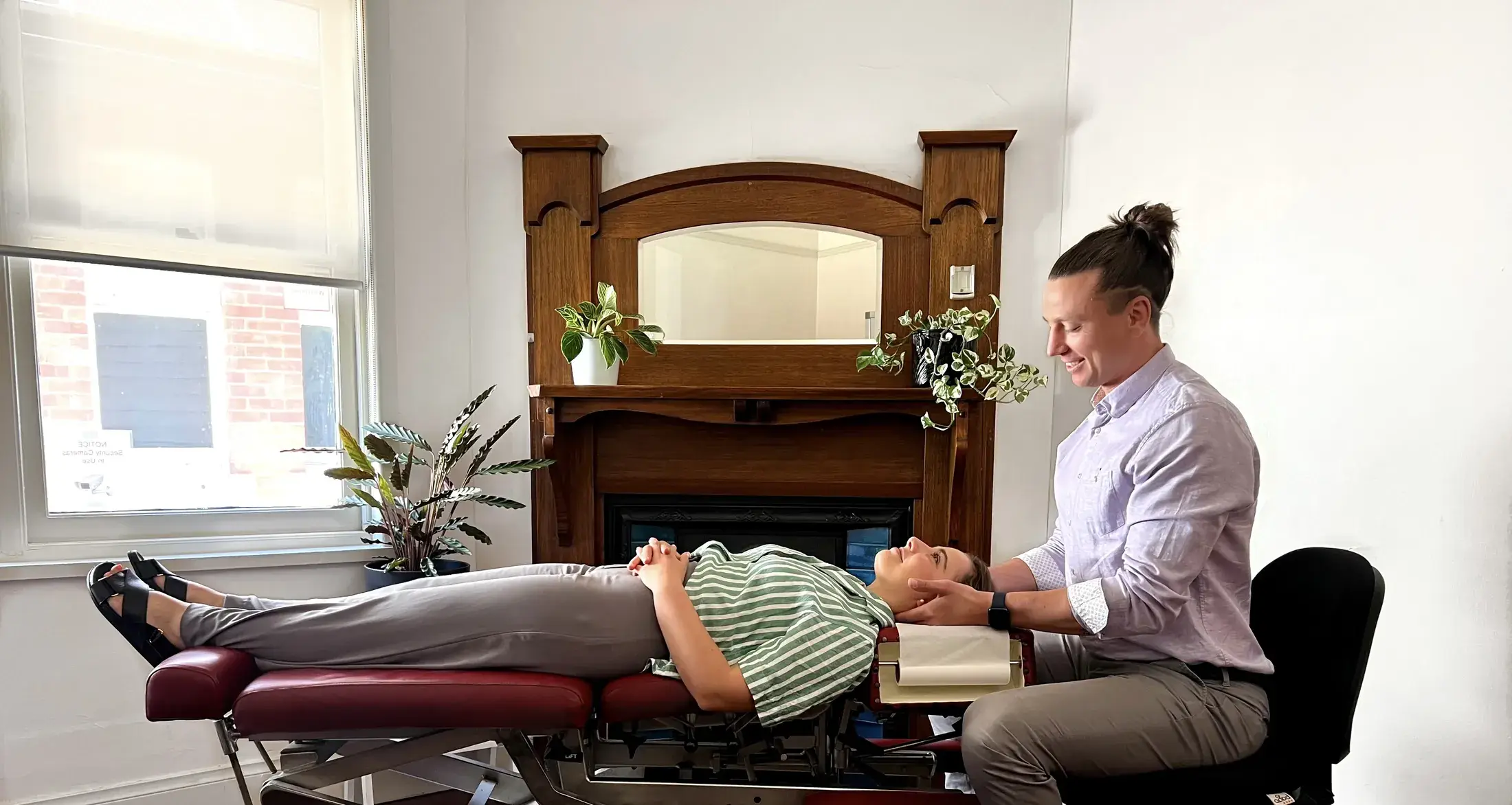
 A precise, controlled correction applied to the specific joint that is not moving as it should, to re-establish normal movement in it. One-on-one and hands-on, usually alongside soft tissue work in the same visit.
 Joint mobilisation
 The same aim, worked through the joint's range in graded, controlled movements to re-establish what is normal for it. Chosen where the assessment calls for it, an acutely irritable joint, or where building tolerance comes first.
 Soft tissue and trigger point work
 Hands-on work through the muscles around an irritated joint, which are usually guarding it by the time you book. Often what makes the joint work hold.
 Dry needling
 Fine single-use needles into a taut band of muscle. Used for persistent muscular tightness that has not responded to hands-on work alone. Different from acupuncture, which is also available here and works from a different framework.
 Cupping
 Suction cups placed over tight or guarded muscle, lifting the tissue rather than pressing into it. Used alongside hands-on work where the muscle around an irritated joint has not settled with pressure alone.
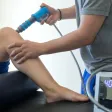 Shockwave therapy
 For stubborn tendon problems, tennis and golfer's elbow, shoulder tendinopathy, jumper's knee, plantar fasciitis and Achilles pain, where symptoms have not settled with hands-on care alone. On site rather than by referral elsewhere.
 Compression boots
 Intermittent pneumatic compression to support circulation and reduce muscle soreness and swelling, often used after training or alongside rehabilitation.
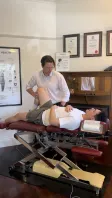 Gonstead and Activator techniques
 Two specific ways of adjusting. Gonstead starts with a detailed, segment-by-segment assessment of the spine, then precise hands-on adjustments to the segments it finds. Activator delivers a low-force adjustment through a small handheld instrument, a gentler option where manual adjusting doesn't suit.
 Custom orthotics with TOG gait analysis
 Custom orthotics prescribed by your chiropractor after a static and gait analysis using The Orthotic Group (TOG) system, where your assessment shows the feet are contributing to what hurts further up.
 Therapeutic ultrasound and muscle stimulation
 Used alongside hands-on care for muscle and soft-tissue problems: therapeutic ultrasound, and electrical muscle stimulation, which uses gentle impulses to make a muscle contract.
 Prescribed exercise and rehabilitation
 Two or three specific movements chosen from what your assessment showed, so they are worth doing and quick enough to keep doing. There is a rehab space on site to be shown them properly.
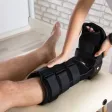 Taping, strapping and support
 Taping to offload an irritated structure while it settles, and bracing or a boot where something needs protecting properly. Fitted and checked here, so it does the job it was chosen for.
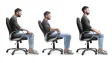 Movement, sitting and sleeping advice
 The load changes that stop a problem coming back, how long you sit before standing, how you lift, how you sleep, how the desk is set up. This is the part that changes the pattern rather than the current episode.
Fees, health funds and referrals
Chiropractic claims on any extras policy that includes it, and we claim on the spot with all major funds, so you pay only the gap on the day rather than claiming it back yourself.
If imaging is needed, your chiropractor writes the referral and we request bulk billing wherever it applies. The X-ray is taken and billed by a radiology centre, so any cost is theirs to confirm with you. Scans are only recommended when the result would actually change your treatment.
How cross-discipline collaboration keeps your care moving
At Brunswick Health, seven allied health services work together under one roof, chiropractic, physiotherapy, podiatry, massage, naturopathy, acupuncture and colonic irrigation.
The benefit for you is simple: if your assessment shows that another practitioner here is better suited to help, you do not need to start over somewhere else. There is no searching for another clinic, no long wait for a new appointment, and no need to repeat your entire health history. The practitioners here can communicate directly and work together to provide more coordinated care.
Examples of how this helps
- Heel pain that is not just a foot problem, the podiatrist and physiotherapist here can work together to assess whether the cause is related to biomechanics, movement patterns, strength or load management.
- Back pain where strength and movement are the key factors. Your chiropractor can identify this during your assessment and coordinate care with the physiotherapists here to help address the underlying issue.
- A running injury needing more than one approach, gait assessment, shockwave therapy and rehabilitation, arranged between practitioners in the same building rather than across three.
You get the right practitioner at the right time, without repeating your history or joining another waiting list: the practitioners here can talk to each other directly, so your care keeps moving.
What people say about the clinic
4.9403 Google Reviews
Rated 4.9 out of 5 from 403 Google reviews.These reviews describe the experience of visiting the clinic. This is a registered health profession, so we are not permitted to publish comments about treatment or its results, those are on our Google listing.
“Brunswick Health is a place where you come to a positive environment, get looked after just like your Grandmother would, and get treated like a friend.”
Andrew SotiGoogle review “Very professional, always taking time to explain. The reception staff are very friendly and booking appointments is quick and easy.”
Darren MooreGoogle review “Everything just feels right, well above expectations from start to finish.”
Janette LeeGoogle review
Questions
Chiropractic questions, answered
If your question is not here, call the clinic. The front desk can answer most of them on the spot.
What is chiropractic care?
Chiropractic is a regulated health profession focused on assessing, diagnosing and managing conditions affecting the spine, joints, muscles and nervous system. Chiropractors use hands-on techniques, exercise advice and evidence-informed care to support movement and manage pain. In Australia, chiropractors are university-trained and registered with AHPRA.
What conditions do chiropractors treat?
Chiropractors commonly manage musculoskeletal conditions, including:
- Back and neck pain
- Headaches related to the neck or posture
- Sciatica and nerve-related symptoms
- Joint pain and stiffness
- Sports and activity-related injuries
- Postural and movement-related discomfort
What is the difference between chiropractic and physiotherapy?
Both professions manage musculoskeletal conditions, but the emphasis differs. Chiropractors tend to focus on spinal and joint function using hands-on techniques; physiotherapists tend to emphasise exercise-based rehabilitation. The two are often complementary, and some people see both. Brunswick Health has chiropractors and physiotherapists in the same clinic, so care can be coordinated without a new referral.
What is the difference between chiropractic and osteopathy?
Both are AHPRA-registered professions that work hands-on with joints, muscles and movement, and there is more overlap between them than most descriptions suggest. The broad difference is emphasis: chiropractic training centres on the spine and on specific joint adjustment, while osteopathy takes a whole-body view and leans more on soft-tissue work and stretching. Plenty of problems respond to either, and which one suits you often comes down to the individual practitioner rather than the label on the door. Osteopathy is not part of the current line-up at Brunswick Health, what you will find here is chiropractic and physiotherapy, working in the same practice, so you can start with one and move to the other without a new referral or a new waiting list.
Is chiropractic safe?
Chiropractic care is considered a low-risk, conservative treatment when provided by a qualified, AHPRA-registered chiropractor following appropriate assessment. Most people experience little to no side effects. Some notice mild soreness or stiffness afterwards, similar to starting a new form of exercise, which usually settles quickly. Your chiropractor will discuss any risks relevant to your circumstances before treatment begins.
Does chiropractic treatment hurt?
Chiropractic treatment is generally well tolerated. Some people experience mild soreness or stiffness after a session, similar to the feeling of starting a new exercise, and it usually settles within a day or so.
Do I need a referral from a GP?
No referral is needed to see a chiropractor in Australia. You can book directly. If it would help your care, your chiropractor can liaise with your GP or another practitioner. A referral is only relevant if you are claiming under a Medicare care plan.
What should I expect at my first chiropractic appointment?
The first appointment starts with a discussion of your symptoms, health history and what you want to get back to doing. That is followed by a physical assessment, which may include posture, movement and joint function testing. Your chiropractor explains what they found in plain language and outlines the options. Whether hands-on treatment begins at that first visit depends on the findings and on the chiropractor, some start straight away, others prefer to see X-ray or scan results first. If you are in acute pain while results are pending, you will still be given relief that is safe to provide at that stage.
What should I wear to a chiropractic appointment?
Comfortable clothing you can move in, activewear or loose-fitting clothes work well. There is no need to change into a gown or bring anything special.
What happens at chiropractic follow-up visits?
Follow-up visits review how you have responded, continue treatment where it is helping, and adjust the approach where it is not. Care is guided by your progress rather than a fixed schedule, and may include advice on posture, movement habits, exercise or activity changes.
How many chiropractic sessions will I need?
It depends on the condition, how long the symptoms have been present and what you are aiming for. Some people come for short-term relief of a specific problem; others choose ongoing care to maintain movement and function. Your chiropractor will give you an expected range after assessing you, and will reassess as you go rather than committing you to a long plan up front.
Will my chiropractic care be personalised?
Yes. Treatment is based on your assessment findings, your goals and how you respond, rather than a fixed protocol. Your chiropractor will explain what they found and discuss the options with you before starting.
Can I keep exercising or playing sport during chiropractic care?
In most cases yes, sometimes with modifications while symptoms settle. Your chiropractor will give you specific guidance based on your condition, your activity level and where you are in recovery, with the aim of keeping you active rather than resting completely.
Can chiropractic help reduce the risk of injury?
Chiropractic care is used to reduce injury risk by improving joint mobility, movement patterns and muscle function, and by addressing restrictions early. Individual results vary, and any recommendation is based on clinical assessment rather than a general programme.
Do I need scans or X-rays?
Scans are not routinely required. Imaging is only recommended when it will change what happens next clinically, based on your examination findings.
Do I have to wait for X-ray results before treatment starts?
Sometimes. If imaging has been requested, some chiropractors prefer to see the results before starting hands-on treatment, because the findings can change which techniques are appropriate. Others begin straight away where the examination is clear. If you are in acute pain while results are pending, you are still treated that day with what is safe before the findings are known, soft tissue work, gentle mobilisation, taping or support where it helps, and specific advice on positioning, sleeping and pain control. You do not wait for the radiologist to get relief.
Will I have to pay for spinal X-rays if they are needed?
Your chiropractor refers to radiology centres that bulk bill, so with a valid Medicare card there is normally nothing to pay for a spinal X-ray. The imaging is taken and billed by the centre rather than by this clinic, so they confirm anything specific to your cover when you book with them.
Do I have to pay for an MRI if one is recommended?
MRIs are generally not bulk billed and costs vary. Medicare rebates for MRI usually require a specialist referral. If an MRI is worth doing, your chiropractor will explain why and outline the options and likely cost before you commit to it.
How much does chiropractic cost? What are the fees?
A first chiropractic consultation and examination at Brunswick Health is $125. Standard follow-up consultations are $78 and extended consultations are $95. A shockwave therapy session is $78 and compression-boot lymphatic drainage is $40. Those are the full fees, chiropractic claims on any extras policy that includes it, and Brunswick Health claims on the spot through HICAPS, so what you actually pay on the day is the gap.
Can I get a Medicare rebate for chiropractic?
Only under a GP Chronic Condition Management Plan, which your GP decides you qualify for. Under one, Medicare rebates $63.40 per session as at July 2026 for up to 5 allied health sessions per calendar year across chiropractic, physiotherapy and podiatry combined. It is a fixed dollar amount rather than a percentage, so a gap payment applies. Bulk billing is not available at Brunswick Health. Without a care plan, chiropractic is claimed through private health extras rather than Medicare.
Is chiropractic covered by private health insurance?
Many private health funds pay a rebate for chiropractic care under extras cover, depending on your level of cover and your remaining limits. Brunswick Health claims on the spot with all major funds, so you pay only the gap on the day rather than claiming back yourself.
Can chiropractic help with headaches?
Some headaches have a musculoskeletal component involving the neck joints, surrounding muscles or posture, and where assessment suggests that is the case, chiropractic care is used to manage them. Headaches have many causes, so part of the assessment is establishing whether yours is the kind that responds to this sort of care, and referring you on if it is not.
Can I see a chiropractor during pregnancy?
Yes. Chiropractic care during pregnancy is generally focused on managing back, pelvic and joint discomfort as the body changes, using techniques and positioning adapted for pregnancy. Dr Kenneth Taylor is certified in the Webster Technique, which is used in the care of pregnant patients.
Can babies and children see a chiropractor?
Yes. Babies and children are seen here, with gentle techniques suited to their age and size and a parent in the room for the whole appointment. Care is for musculoskeletal complaints, and your chiropractor will refer you to a GP or paediatrician where that is the better fit.
Do chiropractors work with other healthcare providers?
Yes. At Brunswick Health the chiropractors work alongside physiotherapists, podiatrists, massage therapists and acupuncturists in the same practice, so care can be coordinated directly. Your chiropractor will also liaise with your GP or a specialist where that is useful.
How long is a first chiropractic appointment?
About 30 minutes. That is enough time for your chiropractor to hear what is going on, examine you properly, explain what they found and talk through the options. Follow-up appointments are shorter, and how long yours runs depends on what the assessment finds.
When should I seek emergency care?
Some symptoms need an emergency department or 000 now, rather than an appointment and rather than a call to the clinic first. Get emergency medical care if:
- Back pain came with loss of bladder or bowel control, or numbness around the groin
- One side of the face droops or is numb
- Words are slurred, or there is sudden trouble speaking or understanding speech
- There is loss of sight in one or both eyes
- There is chest pain or tightness with breathlessness, sweating, or pain spreading into the jaw or arm
- The pain followed a significant fall, crash or direct blow
- There is fever, unexplained weight loss, or night pain that wakes you and will not settle in any position
- There is progressive weakness in a leg or arm rather than pain alone
- You have a history of cancer, osteoporosis or long-term steroid use and this is a new pain
Anything else is worth booking for. If you are unsure which side of the line you are on, call (03) 9380 8099 and describe it. Practitioners at Brunswick Health screen for every one of these before treating, and if you describe one you will be told the same thing and helped to get seen rather than booked in.
Getting here
Finding us in Brunswick
The clinic is at 1/68 Melville Road, Brunswick West, on the Brunswick border, a few minutes from Sydney Road and the Brunswick shopping strip. If you are searching for a chiropractor in Brunswick, this is the practice most locals mean.
Open directions in Google Maps
By tram, train or car
- Route 58 tram along Melville Road. Stop 35, at Victoria Street
- Upfield line: Brunswick and Anstey stations are a short ride away
- Street parking out front, the opposite side of Melville Road is unrestricted at any hour, the clinic side from 9am on weekdays
Opening hours
- Monday – Friday
- 8:45am – 7:00pm
- Saturday
- 8:45am – 4:00pm
Closed Sunday and public holidays
Patients travel to us for chiropractic care from across Melbourne's inner north, most often from Brunswick, Brunswick East, Brunswick West, Coburg, Moonee Ponds, Pascoe Vale, Essendon, Thornbury and Avondale Heights.
Bookings
Get it looked at
About thirty minutes: a full assessment, a plain-language explanation of what is going on, and in most cases treatment on the day.
No payment needed to book · Confirmation by SMS · No referral needed
Whether your pain started yesterday or has been part of your life for years, the chiropractors here will take the time to understand it, explain what is happening in language that does not need decoding afterwards, and put together a plan built around your assessment rather than a set protocol.