
Acupuncture
Acupuncturist in Brunswick, Melbourne
Acupuncture for back and neck pain, headaches and musculoskeletal injury, in a clinic where it sits alongside chiropractic, physiotherapy and massage rather than standing apart from them.
- AHPRA-registered
- Single-use needles
- No referral needed
- Claim on the spot
What people book acupuncture for
Acupuncture here is used mainly for musculoskeletal and pain-related complaints, and it is most often booked alongside hands-on treatment rather than instead of it. These are what people book it for.
- Chronic low back pain
- Neck and shoulder pain
- Tension-type and neck-related headaches
- Shoulder, hip and knee pain
- Sports and overuse injuries
- Stiffness and restricted movement
- Pregnancy-related back and pelvic pain
- Muscular tension associated with stress
- Pain-related sleep disturbance
- Persistent tightness that has not settled with hands-on work alone
Fertility, pregnancy and labour come up often enough to be worth answering properly rather than in a list, they are covered further down, under who acupuncture suits, along with what the evidence does and does not support.
Or call (03) 9380 8099 and reception will find you the earliest time.
Why choose Brunswick Health?
Five musculoskeletal professions under one roof
Acupuncturists, chiropractors, physiotherapists, podiatrists and massage therapists all work here, so being redirected does not mean a new referral or a new waiting list.
More than thirty years in practice
Including a clinical tenure at Nanning Hospital in China. Acupuncture here is one practitioner's whole career rather than a technique added to something else.
Sterile, single-use needles
Opened in front of you if you would like to watch, and disposed of afterwards. Nothing is ever reused.
A straight read after four to six sessions
You sit down with the acupuncturist and take stock of what has changed, rather than being booked into an open-ended series.
On-the-spot health fund claiming
Acupuncture has its own fund item codes, and we claim through HICAPS at the counter, so you pay the gap on the day instead of claiming it back yourself.
Open six days a week
Monday to Saturday, including weekday evening appointments, so you can book around work and training.
- Treating in Melbourne since
- 1990
- People through the practice
- 65,000+
Your acupuncturist
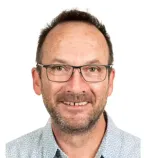
Chris Doyle
Senior Consultant Acupuncturist
Chris has practised acupuncture for more than thirty years, including a clinical tenure at Nanning Hospital in China. He works across Chinese, Japanese and laser acupuncture, and uses electroacupuncture, cupping, moxibustion and gua sha alongside needling.
Registered with AHPRA through the Chinese Medicine Board of Australia, which sets the qualification and practice standards for acupuncture in Australia.
- Bachelor of Health Science (Acupuncture)
- Advanced Diploma of Health Science (Acupuncture)
- Diploma of Applied Science (Remedial Therapies)
- Colonic Hydrotherapy, foundation level
- Member, Australian Traditional Medicine Society (ATMS)
Your first appointment
Assessment first, then treatment in the same session. Everything is explained to you before it happens, and nothing is used without being described first.
Or call (03) 9380 8099 and reception will find you the earliest time.
If you would rather ask something first, send the question through , answered within one business day.
History, before needles
What hurts, how long it has been there, what makes it worse, what you have already tried, and how you are sleeping and moving. Anything you take, and anything you are being treated for elsewhere, is asked about here.
Where the needles go, and why
You are told which points are being used and what is being worked on before anything is placed. Points are often away from the painful area, which surprises people. It is worth asking about rather than wondering.
Insertion, what it actually feels like
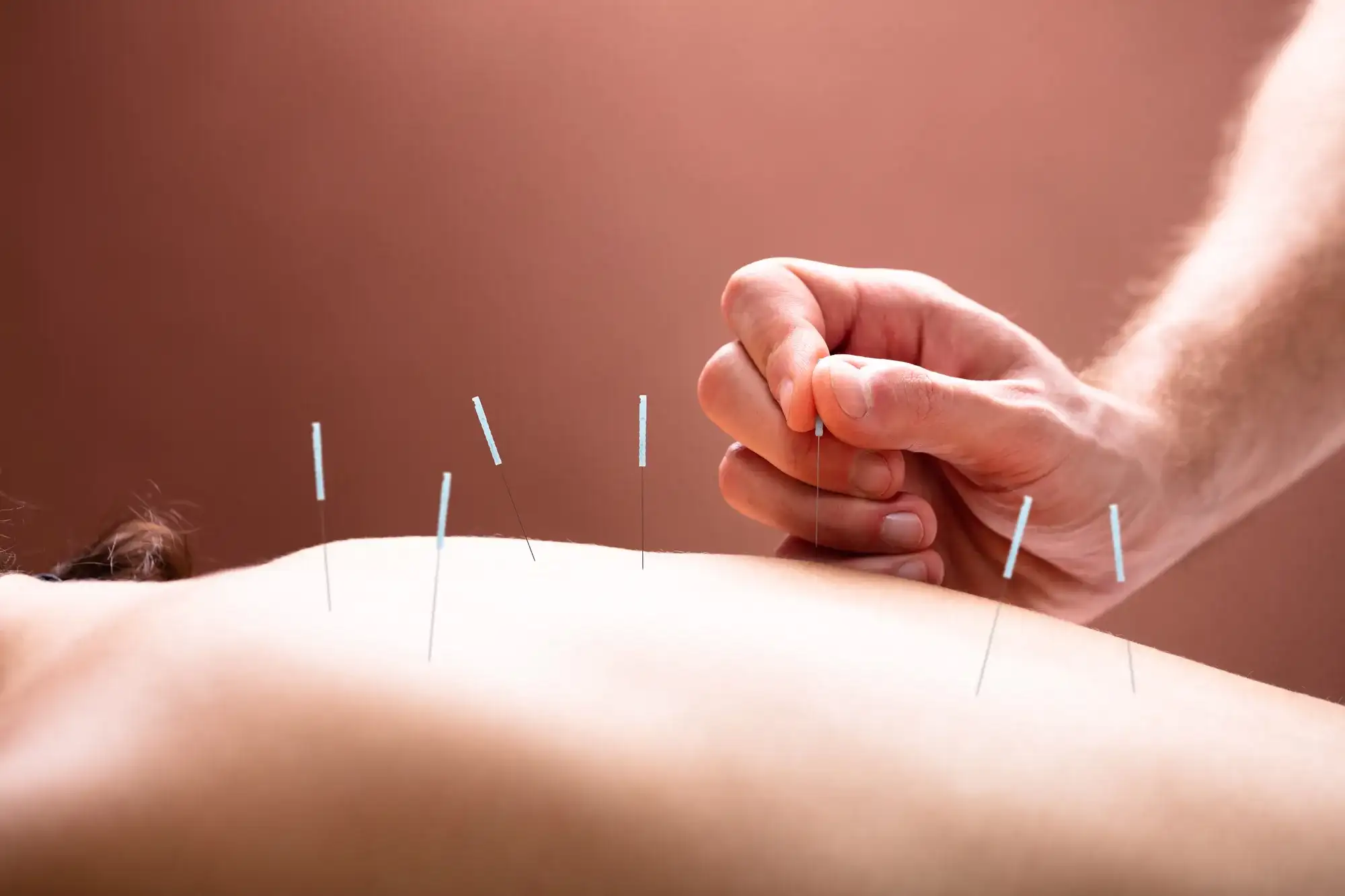
The needles are much finer than the ones used for injections or blood tests, closer to a hair than a syringe, and most people feel very little going in. What you may notice is a dull heaviness or warmth around the point, which is expected. Sharp pain is not, and it is worth saying so immediately.
About twenty minutes resting
Needles usually stay in while you rest, and your acupuncturist stays available throughout. Some people feel relaxed or a little tired afterwards, so it is worth not booking anything demanding straight after a first session.
What else may be used in the same session
Cupping, moxibustion, gua sha or electroacupuncture may be used alongside needling, each is explained before it is used, and the two that leave temporary marks on the skin are always flagged first so you can decide.
How many sessions, and when you take stock
Most people are advised to try four to six sessions, then sit down and review what has changed. You should expect a straight read on whether it is working rather than an open-ended series of bookings.
What treatment involves
Acupuncture is practised within a Chinese medicine framework: fine sterile needles placed at selected points, chosen from an assessment rather than from a set protocol. What is used varies by the problem and by what you are comfortable with, and everything below is available in this clinic from the one practitioner.
Acupuncturists in Australia are registered with AHPRA through the Chinese Medicine Board of Australia, which sets the qualification and practice standards for the profession. You can book without a referral.
Chinese acupuncture
The most familiar form, and what most sessions here are: fine sterile needles placed at selected points and left in for around twenty minutes while you rest.
Japanese acupuncture
A gentler variation, finer needles, shallower insertion, and more palpation before anything is placed. Chosen where someone is needle-sensitive or would prefer the lightest version of this.
Laser acupuncture
The same points worked with low-level laser instead of needles, so nothing pierces the skin. This is the option for people who want acupuncture and do not want to be needled.
Electroacupuncture
A small electrical current passed between needles already in place, felt as a light, steady pulsing. Used within a session for some persistent musculoskeletal problems, and the intensity is set by what is comfortable for you.
Cupping
Suction cups applied to the skin, usually across the back and shoulders, drawing the tissue upwards rather than pressing down on it. It commonly leaves round marks that fade over several days, worth knowing before an event or a beach weekend.
Moxibustion
Warming a point with smouldering mugwort held above the skin rather than on it. Used for the warmth, normally alongside needling in the same session. There is a distinct smell, and you are asked first.
Gua sha
A smooth-edged tool stroked firmly along oiled skin. Like cupping it commonly leaves temporary redness or marking, which fades over a few days.
Acupressure
Sustained finger pressure on the same points, with no needles at all. Sometimes the whole session, sometimes a few minutes within one.
Dietary and lifestyle advice within Chinese medicine
Offered alongside treatment rather than instead of it, and never in place of advice you have already been given elsewhere. Anything suggested here is meant to sit around your existing care, not to replace it.
Fees, health funds and referrals
No referral is needed. A first appointment is $115 and includes the assessment; standard follow-ups are $115, so there is no higher initial fee to budget for.
Acupuncture has its own health fund item codes, so it claims on any extras policy that includes it where it is provided by a registered acupuncturist, with the rebate depending on your level of cover and remaining annual limit. We claim through HICAPS at the counter, so you pay the gap on the day rather than paying in full and claiming it back yourself. Dry needling from a physiotherapist, myotherapist or chiropractor is claimed under that practitioner's own item codes instead, which is worth knowing if you are choosing between the two.
Who acupuncture suits
Acupuncture attracts big claims in one direction and blanket dismissal in the other. Neither helps much when you are deciding whether to book, so this is where the evidence actually sits.
Well supported: several pain conditions, particularly chronic back and neck pain and headache prevention. Those are what acupuncture is offered for here, and they are the reason most people book it.
Supportive rather than decisive: fertility and labour. Plenty of people find acupuncture a steadying part of those processes and that is a reasonable thing to book it for. The evidence does not show it changes the outcome, and you will be told so before you commit to a course.
Not what it is for: preventing illness or infection. Acupuncture is no substitute for vaccination, screening or medical treatment.
The mechanism is still being worked out, research points to effects on local blood flow, muscle tension and how pain is processed. Anyone who tells you it is completely understood is overstating it in one direction or the other.
How cross-discipline collaboration keeps your care moving
At Brunswick Health, seven allied health services work together under one roof, acupuncture, chiropractic, physiotherapy, podiatry, massage, naturopathy and colonic irrigation.
The benefit for you is simple: if your assessment shows that another practitioner here is better suited to help, you do not need to start over somewhere else. There is no searching for another clinic, no long wait for a new appointment, and no need to repeat your entire health history. The practitioners here can communicate directly and work together to provide more coordinated care.
Examples of how this helps
- Back pain being managed with acupuncture that also needs loading work. The physiotherapists here can build the rehabilitation around it rather than replacing it.
- Headaches where the neck is involved, acupuncture and chiropractic are both used for this, they are along the same corridor, and you can be moved between them without a new referral.
- Persistent muscular tightness, a massage therapist and an acupuncturist working the same problem from two directions, booked on one system in one trip.
You get the right practitioner at the right time, without repeating your history or joining another waiting list: the practitioners here can talk to each other directly, so your care keeps moving.
What people say about the clinic
4.9403 Google Reviews
Rated 4.9 out of 5 from 403 Google reviews.These reviews describe the experience of visiting the clinic. This is a registered health profession, so we are not permitted to publish comments about treatment or its results, those are on our Google listing.
“Brunswick Health is a place where you come to a positive environment, get looked after just like your Grandmother would, and get treated like a friend.”
Andrew SotiGoogle review “Very professional, always taking time to explain. The reception staff are very friendly and booking appointments is quick and easy.”
Darren MooreGoogle review “Everything just feels right, well above expectations from start to finish.”
Janette LeeGoogle review
Questions
Acupuncture questions, answered
Needles, sessions, safety in pregnancy, and what your fund will pay.
What is acupuncture?
Acupuncture involves inserting very fine single-use needles into specific points on the body. It originates in Chinese medicine and is now used alongside conventional care for a range of mainly pain-related complaints. In Australia acupuncturists are registered with AHPRA through the Chinese Medicine Board, which sets qualification and practice standards.
Does acupuncture hurt?
Acupuncture needles are far finer than the needles used for injections or blood tests, closer to a hair than to a syringe, and most people feel little on insertion. What you may notice afterwards is a dull heaviness, warmth or mild ache around the point, which is expected. Sharp or lasting pain is not, and you should say so straight away.
What is acupuncture used for?
At this clinic acupuncture is used mainly for musculoskeletal and pain-related complaints, including:
- Back and neck pain
- Tension-type and neck-related headaches
- Joint and muscular pain
- Sports and overuse injuries
- Pain-related sleep disturbance
- Muscular tension associated with stress
How does acupuncture work?
The mechanism is not fully settled. Research suggests needling influences local blood flow, muscle tension and the way pain signals are processed in the nervous system, and there is reasonable evidence for benefit in some pain conditions. Traditional Chinese medicine explains it differently, in terms of channels and qi. You do not have to accept either framework to get something out of a session, and any practitioner claiming the mechanism is fully understood is overstating it.
How many acupuncture sessions will I need?
Most people are advised to try a short course, commonly four to six sessions, and then reassess. Acupuncture does not suit everyone, and if there has been no meaningful change after a fair trial, continuing is unlikely to help. Your practitioner should tell you that rather than book you in indefinitely.
Can acupuncture prevent illness?
No, and it would be wrong to suggest otherwise. There is no good evidence that acupuncture prevents infections or disease, and it is not a substitute for vaccination, screening or medical care. Where it has reasonable supporting evidence is in managing certain pain conditions, that is what it is offered for here.
Can I have acupuncture during pregnancy?
Yes, and it is commonly used for pregnancy-related back, pelvic and hip pain. Tell the clinic you are pregnant when you book so appropriate points and positioning are used. Acupuncture during pregnancy sits alongside your midwife or obstetric care, not in place of it. Keep your maternity team informed.
Can acupuncture help with fertility?
Some people use acupuncture alongside fertility treatment, often to help manage the stress of the process. The evidence that acupuncture improves pregnancy or live birth rates, including alongside IVF, is mixed and not strong. Some trials show a benefit and others show none. We will not tell you it improves your chances of conceiving, because that is not what the evidence supports. If you would like it as supportive care during treatment, that is a reasonable choice, and it should never delay or replace assessment by a fertility specialist.
Can acupuncture induce labour?
Acupuncture is sometimes used near or past term with the intention of encouraging labour, but the evidence that it reliably brings labour on is weak. It is not a substitute for obstetric induction, and decisions about a post-dates pregnancy belong with your midwife or obstetrician. If you are considering it, discuss it with your maternity team first and let us know what they have advised.
What is the difference between acupuncture and dry needling?
The needles are similar; the reasoning differs. Dry needling targets tight or painful points within a muscle and is usually performed by a physiotherapist, myotherapist or chiropractor as part of a musculoskeletal treatment. Acupuncture is practised within a Chinese medicine framework by a practitioner registered specifically for it, using a broader system of points. Both are available at Brunswick Health, and which suits you depends more on the problem than on the technique.
What should I wear?
Loose, comfortable clothing that can be moved to reach the areas being treated. Many points are on the lower legs, forearms and back. A gown is available if it makes access easier, and you are covered other than the area being worked on.
Can I exercise or play sport during a course of acupuncture?
Yes. It is worth avoiding a maximal training session immediately after treatment, as some people feel relaxed or a little tired for a few hours, but normal training is fine.
Do I need a referral, and is acupuncture covered by health insurance?
No referral is needed. Many private health extras policies include acupuncture when it is provided by an AHPRA-registered acupuncturist, depending on your level of cover. Brunswick Health claims on the spot with all major funds.
Are the needles reused?
No. All needles are sterile, single-use, and disposed of into a sharps container immediately after treatment. This is a standard requirement, and you are welcome to see the packet opened.
Getting here
Finding us in Brunswick
The clinic is at 1/68 Melville Road, Brunswick West, on the Brunswick border, a few minutes from Sydney Road and the Brunswick shopping strip. If you are searching for an acupuncturist in Brunswick, this is the practice most locals mean.
Open directions in Google Maps
By tram, train or car
- Route 58 tram along Melville Road. Stop 35, at Victoria Street
- Upfield line: Brunswick and Anstey stations are a short ride away
- Street parking out front, the opposite side of Melville Road is unrestricted at any hour, the clinic side from 9am on weekdays
Opening hours
- Monday – Friday
- 8:45am – 7:00pm
- Saturday
- 8:45am – 4:00pm
Closed Sunday and public holidays
Patients travel to us for acupuncture from across Melbourne's inner north, most often from Brunswick, Brunswick East, Brunswick West, Coburg, Moonee Ponds, Pascoe Vale, Essendon, Thornbury and Avondale Heights.
Bookings
Book acupuncture in Brunswick
Fine, single-use needles, about twenty minutes resting while they do their work, and an AHPRA-registered practitioner throughout.
No payment needed to book · Confirmation by SMS · No referral needed
You will be seen by a practitioner registered through the Chinese Medicine Board of Australia with more than thirty years behind him, told what is being used and why before anything is placed, and given a straight read on whether it is working after four to six sessions. If you have questions before you book any of that, call (03) 9380 8099.