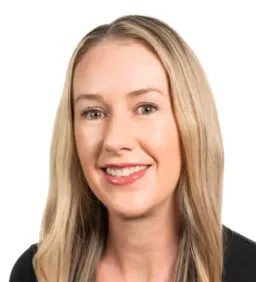
Natalie Turner
Myotherapist
Fees, the conditions treated and what a first appointment involves are on the remedial massage in Brunswick page.
Natalie qualified in myotherapy at RMIT in 2000 and has worked across acute injury and long-standing pain ever since, much of it alongside chiropractors and physiotherapists. She has provided myotherapy to the Melbourne Football Club and the Melbourne Storm, and was part of the medical team at the 2006 Commonwealth Games.
Registration and credentials
- Provider number:
- 1108151B
- Member of:
- Myotherapy Association Australia (MAA)
- In practice:
- Since 2000, 26 years
This is not an AHPRA-registered profession, so association membership and a fund-recognised provider number are the checks available to you. Both are listed above.
Qualifications
- Advanced Diploma of Health Science (Myotherapy), RMIT University, 2000
Background
- More than twenty years in practice
- Provided myotherapy to the Melbourne Football Club and the Melbourne Storm
- Part of the medical team for the 2006 Melbourne Commonwealth Games
What Natalie works with
- Dry needling
- Cupping
- Trigger point therapy
- Myofascial release
- Muscle Energy Technique (MET)
- Joint mobilisation
- Remedial, deep tissue and relaxation massage
Book an appointment
Appointments are booked online or by phone. Fees and what a first appointment involves are on the massage therapy page.
What Natalie treats
- Low back pain: what helps, and what to ignore
- Mid-back and rib pain
- Neck and shoulder pain from desk work
- Whiplash treatment in Melbourne
- Hamstring strains and cramps
- ITB syndrome: sharp pain on the outside of the knee
- Sports injuries: the first two weeks matter most
- Dry needling: how it differs from acupuncture
- Is massage therapy covered by the NDIS?
The rest of the team
Questions
Massage and myotherapy questions
What is the difference between remedial, relaxation and sports massage?
Relaxation massage uses flowing, even pressure over the whole body and is about winding down. Remedial massage targets a specific problem, a tight, painful or restricted area, with assessment first and firmer, more localised work. Sports massage is remedial work oriented around training and competition, whether preparing for it, recovering from it or managing an injury. Most appointments here are remedial; say what you are after when you book and the session is built around it.
What is the difference between remedial massage and myotherapy?
A remedial massage therapist holds a Diploma of Remedial Massage and works with muscle and soft tissue. A myotherapist has completed a further year, an Advanced Diploma or Bachelor's degree, with additional assessment training and techniques such as dry needling and cupping. In practice many remedial therapists also complete bridging courses in those techniques, so the useful question is not which title someone holds but what they are trained in. Both claim on any extras policy that includes remedial massage. For most tight necks, sore backs and heavy training weeks, remedial massage is the one to start with; myotherapy earns its place where something has not responded to hands-on work alone, where the pattern keeps returning, or where you already know a trigger point needs needling. If you are not sure, book remedial and say so. Your therapist will tell you if the other is the better fit, and moving between them costs you a sentence at the front desk.
Do you offer lymphatic drainage massage?
Yes, from therapists trained in it, mention it when you book. Manual lymphatic drainage is light, slow and rhythmic rather than deep, working with the vessels just under the skin, and people expecting a firm massage are often surprised at how gentle it is. It is usually booked for puffiness and fluid retention, heavy or swollen legs, and recovery after surgery once your surgeon has cleared hands-on work. Brunswick Health also offers a machine version using compression boots, booked through chiropractic or physiotherapy rather than massage; it is a different treatment and costs less. If you have had lymph nodes removed, or you have a heart, kidney or clotting condition, tell us before booking so the right call can be made.
Can anyone call themselves a massage therapist?
In Australia, yes, massage therapy is not government-regulated and the title is not protected, so training ranges from a weekend course to a three-year degree with nobody checking. Two things separate a qualified therapist from an unqualified one: membership of a recognised professional association, which requires a recognised qualification and a code of conduct, and registration with private health funds, which has its own qualification standard. Every massage therapist at Brunswick Health holds both. It is a fair question to ask any clinic, and you should expect a straight answer.
What conditions does massage therapy help with?
Remedial massage is most commonly booked for:
- Neck, shoulder and upper back tension, particularly desk-related
- Lower back tightness and stiffness
- Headaches with a muscular or neck component
- Sports and training-related muscle soreness
- Recovery between heavy training blocks
- General stress and muscular tension
Is massage the right thing to book for what I have?
Book a massage if any of these sound like you:
- Muscles feel tight, achy or knotted rather than sharply painful
- Desk work, driving or training has loaded your neck, shoulders or lower back
- You are training hard and want to recover better or prepare for an event
- You are pregnant past the first trimester and your hips or low back are complaining
- You already have a diagnosis and want the muscular side of it worked on
Bookings
Book with the practitioner you have just read about
Appointments are booked online or by phone, and reception books you with the person you asked for rather than the next available one.
No payment needed to book · Confirmation by SMS · No referral needed