Ingrown Toenail Treatment in Brunswick (Including ONYFIX®)

Gentle, non-surgical options for ingrown, curved and pincer toenails

★★★★★
380+ Reviews

Est. 1990 | 65,500 Patients Treated Successfully.

Due to AHPRA regulations, we’re unable to display testimonials for chiropractic, physiotherapy, podiatry, acupuncture or osteopathy services on this site. To read patient feedback, please visit Google Reviews for Brunswick Health.
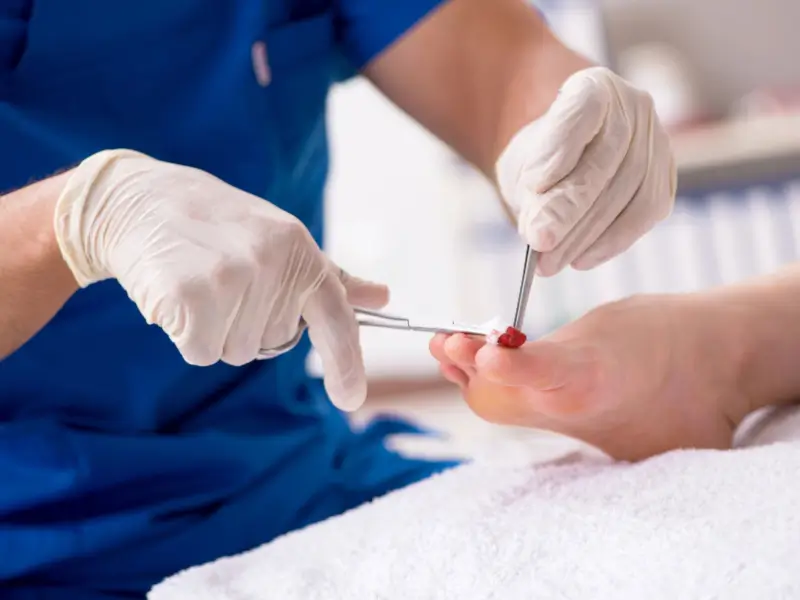
Podiatrist treating ingrown toenail in Melbourne clinic

What is an Ingrown Toenail?

An ingrown toenail happens when the edge of the nail grows into the surrounding skin. Common signs include soreness, swelling, redness and, in some cases, infection. Causes range from tight footwear and poor nail-cutting technique to previous injury or naturally curved nails.

If pain persists or keeps recurring, a podiatry assessment is recommended to prevent complications and get you back to comfortable walking.

Treatment Options at a Glance

Conservative care

  • Careful nail edge relief and shaping

  • Cleansing and dressing inflamed tissue

  • Advice on footwear and nail-cutting

  • Offloading/pressure reduction where needed

Minor nail procedure (when indicated)

  • For persistent, severely ingrown or infected nails, a partial nail removal may be advised. This is performed under local anaesthetic and aims to stop the problem edge growing back.

ONYFIX® nail correction (non-surgical)

  • A light-cured composite strip is placed across the nail plate to gently guide growth into a flatter, healthier shape—no injections, no cutting, and minimal disruption to daily life.

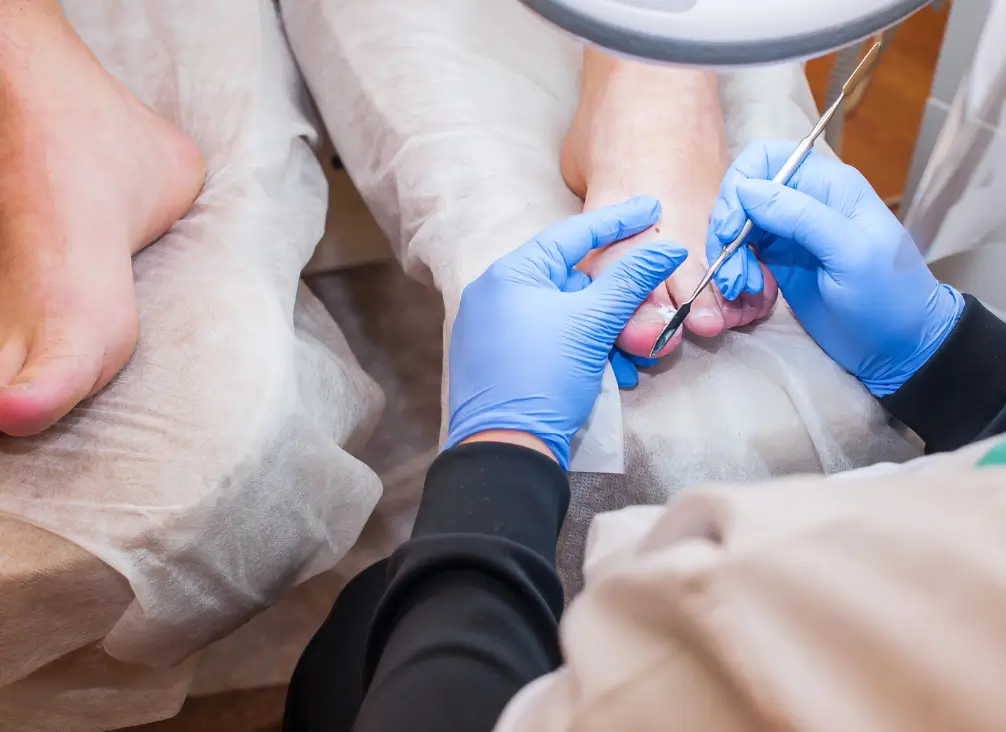
Podiatrist performing a professional foot treatment with sterile tools

ONYFIX®: Non-Surgical Nail Correction

A small, medical-grade composite is applied to the nail surface and cured with light. The strip acts like a flexible brace, guiding the nail as it grows out. There is no tension wire and no penetration of the skin or nail bed.

  • Recurrent ingrown toenails

  • Involuted/curved nails that press into the skin

  • Pincer nails

  • Nails misshapen after trauma or fungal change

  • Painless application—no anaesthetic required

  • No downtime—normal shoes, work and daily activity are usually fine

  • Discreet—thin, low-profile strip; polish can be worn if advised

  • Long-term approach—encourages a healthier growth path

  1. Assessment – A podiatrist examines the nail and discusses suitability.

  2. Preparation – The nail is cleaned and lightly prepared for secure adhesion.

  3. Application – The ONYFIX® strip is placed and light-cured.

  4. Growth phase – Over weeks to months, the nail grows in a corrected shape.

  5. Review & removal – Progress is checked; the strip is removed once correction is achieved.

Note: Active bacterial infection is typically treated first. Individual outcomes vary with nail growth rate and severity.

  • Keep nails moderately short and cut straight across (avoid digging into corners).
  • Choose footwear with a wide toe box to reduce pressure.
  • Protect nails from trauma and keep skin around the nail fold healthy and dry.
  • Attend scheduled reviews to monitor healing and nail shape.

Application is typically comfortable and does not require anaesthetic.

Relief may be noticed within weeks; full correction usually takes a few months as the nail grows.

Yes—generally permitted, though individual advice may vary.

Some severe or infected ingrowns require a minor procedure. The podiatrist will advise the safest, most effective option.

ConsiderationONYFIX® Nail CorrectionPartial Nail Removal
InvasivenessNon-surgicalSurgical (local anaesthetic)
PainMinimal to noneAnaesthetic given; mild post-procedure tenderness possible
DowntimeUsually noneShort recovery period
Best forCurved/involuted or pincer nails without severe infectionRecurrent, severe or infected ingrowns

The podiatrist will explain the pros and cons of each option and recommend the most suitable pathway.

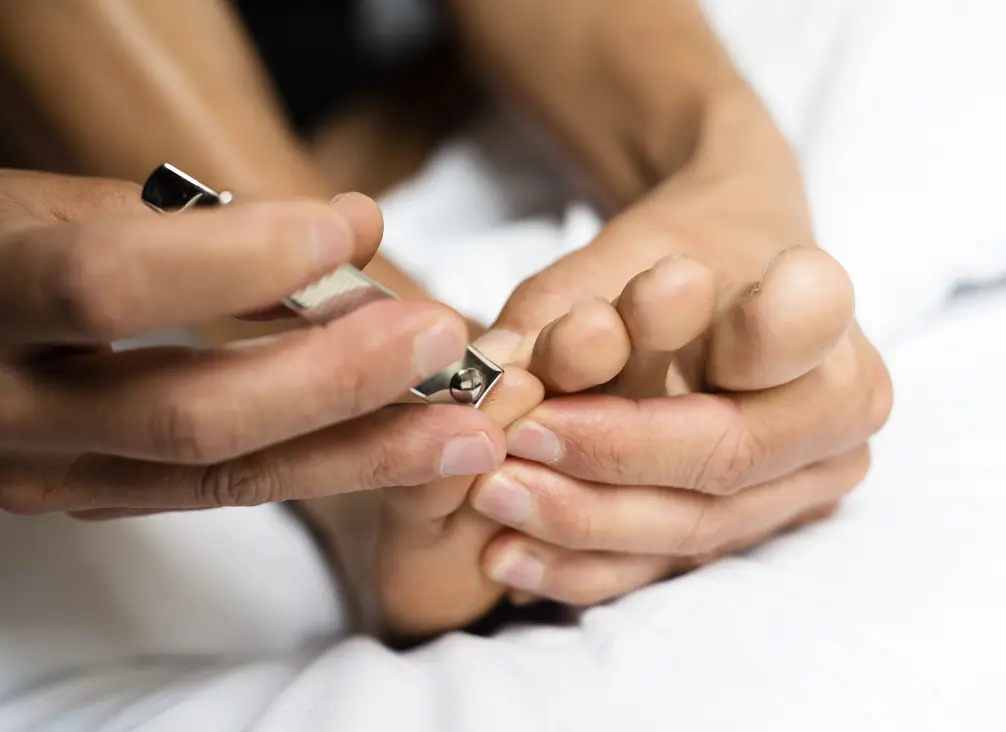
Close-up of person trimming toenails – improper technique can lead to podiatry issues in Brunswick.

When to Seek Help Urgently

  • Spreading redness, warmth or discharge

  • Fever or feeling unwell

  • Diabetes, circulation problems, or reduced sensation in the feet with any signs of infection

Fees & Rebates

Consultation and treatment fees vary according to the procedure and number of nails treated. Private health rebates for podiatry may apply depending on individual cover. Details can be discussed with reception before booking.

We’re thrilled to announce the reception of hundreds of five-star reviews! While it would be great to highlight these exceptional testimonials here, the invitation is extended to view them directly on Google Reviews for full transparency and authenticity. See firsthand what satisfied clients have to say about their experiences with their practitioners. Visit Google Reviews to read their stories and understand why they are so highly rated.

Good People Doing Good